The rapid increase in plastic consumption today causes environmental problems to grow at the same rate. One of the most common types of these plastics is PET (Polyethylene Terephthalate) bottles. Widely used particularly in the beverage industry, PET bottles have a global consumption volume of billions of units. This situation leads to the amount of generated waste reaching extremely high levels.
According to research, between 500 billion and 1 trillion plastic bottles are used worldwide every year. A large majority of these are PET bottles. In other words, approximately 1 million PET bottles are consumed every minute. These figures clearly demonstrate the massive scale of the problem. On an annual basis, this quantity represents millions of tons of plastic waste.
Weight and Recycling Statistics
The weight of PET bottles generally ranges from 10 grams to 50 grams. By average calculation, the total weight of PET bottles used annually is estimated to be between 20 and 30 million tons. This colossal amount places a serious burden on waste management systems worldwide. Unfortunately, not all of this waste can be recycled.
Global recycling rates for PET bottles vary by country. While this rate approaches 50% in developed countries, it remains below 20% in many developing nations. It is generally accepted that the average global recycling rate is around 30%. This means that approximately 70% of the PET bottles used each year end up in nature.
Environmental Consequences
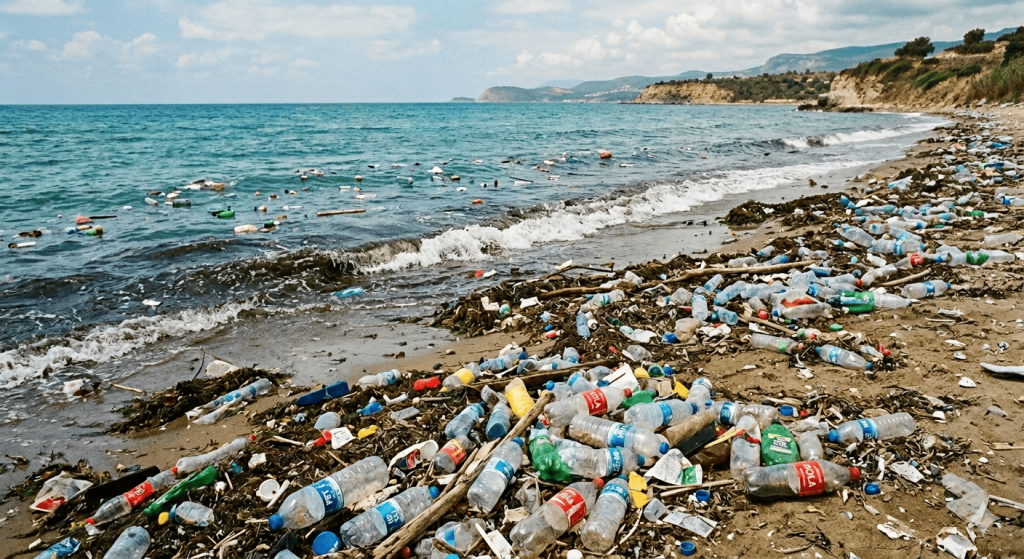
PET bottles left in nature can remain without decomposing for hundreds of years. During this process, they break down into smaller pieces due to sunlight, waves, and physical impacts, turning into microplastics. Microplastics pollute water resources and harm the ecosystem as they are ingested by marine life. This situation threatens not only the environment but also indirectly human health.
A significant portion of PET bottle waste reaches the oceans. Estimates suggest that 8 to 10 million tons of plastic waste enter the seas every year, with PET products making up a substantial part of it. This waste accumulating in the oceans leads to the formation of massive pollution areas known as “garbage patches.”
Solutions and Conclusion
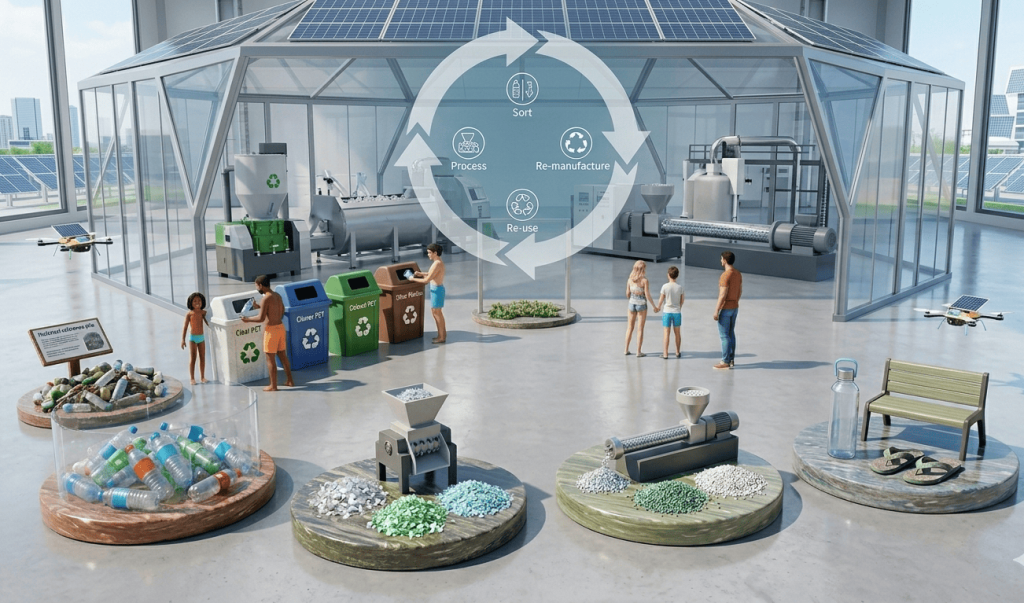
Increasing recycling rates is of great importance for solving this problem. Recycled raw materials obtained through the collection, sorting, and reprocessing of PET bottles can be used in the production of new products. In this way, both environmental pollution is reduced and natural resource consumption is lowered.
In conclusion, the quantity of PET bottles used globally in a year and the resulting waste volume are at critical levels. To manage this issue sustainably, it is essential to raise individual awareness, improve recycling systems, and promote alternative packaging solutions. Otherwise, PET bottle waste may lead to much larger environmental crises in the future.